Local roots. Global vision. Smart science.
Joint initiative for predictive foreign matter detection in green waste
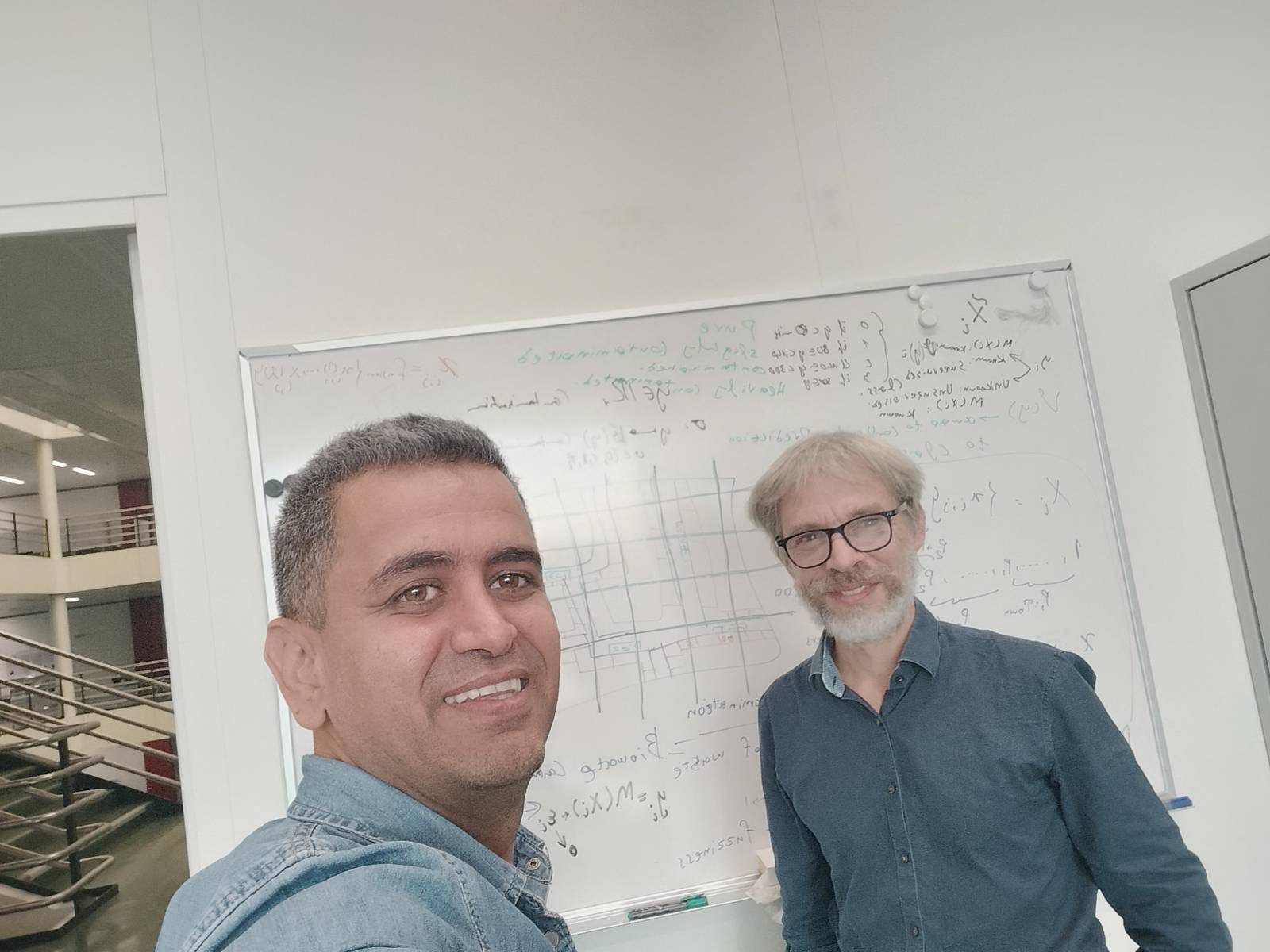
The project "Foreign substance detection with smartphone" (2025-2028) focuses on an AI-supported algorithm for image analysis. Using a smartphone camera, this algorithm recognises and classifies foreign matter in green waste in Swiss municipalities. CCBRE is developing and validating this algorithm on the basis of training data, optimising the detection accuracy under real conditions and delivering a prototype for mobile application. The CCBRE is working closely with the FHNW and the Biomasse Suisse association to further develop the model in order to make it even more precise at neighbourhood and street section level. The aim is to develop a turnkey solution that will enable municipalities to predict and monitor contaminant levels in real time and at low cost.
Thanks to hotspot forecasting and independently developed applied AI detection, this joint pilot initiative is shifting the focus to preventive quality assurance in green (biodegradable) waste.
Together with FHNW and our business partners, we are demonstrating how municipalities can reduce foreign matter in green waste before its collection - thanks to our joint pilot project. Foreign matter prediction, developed in collaboration with Dr Hadi Mahdipour (CCBRE) and Dr Salomon Billeter (FHNW), is combined with an independently developed system using applied artificial intelligence to detect predefined substances and objects in containers, providing a measurable, auditable and scalable solution.
Contribution:
Materials such as different types of plastic are a constant problem in the collection of green (biodegradable) waste. This joint pilot initiative shifts quality assurance from reactive control to preventive action by using a data-driven control loop involving prediction, implementation, monitoring and retraining.
The focus is on two main elements: hotspot forecasting and simulation.
Dr Hadi Mahdipour (CCBRE) is collaborating with Dr Salomon Billeter (FHNW) on this. The model predicts neighbourhood-specific risks of incorrect disposal and simulates the effect of measures to reduce foreign materials in green waste, ensuring maximum impact for minimum resource use.
Detection with applied artificial intelligence (monitoring):
Dr Hadi Mahdipour from CCBRE and Raffael Schreiber from FHNW develop the computer vision solution for recognising predefined foreign objects.
The business team, working alongside our scientists, says: 'If we know where and when incorrect disposal occurs, we can take precise countermeasures. The combination of FHNW-supported prediction and mobile applied AI makes quality planning possible – and saves Swiss municipalities time, money, and emissions.'
Next steps:
CALL TO ACTION: Interested in piloting or exchanging ideas? Contact us.
Additional information - Meta/SEO snippet (≤160 characters): FHNW-supported prediction meets independently developed system for applied AI detection to preventatively and measurably reduce foreign matter in green waste. The figure below on the left shows the foreign material prediction for one municipality in the canton of Bern, Switzerland. Green fields show municipal areas with lower concentrations of foreign material, while yellow and red fields show areas with higher concentrations. The dots show the actual green waste containers that were measured and confirm that the mathematical prediction is very accurate.


CENTRE FOR CLEANTECH AND BIOMASS RESOURCE EFFICIENCY
Contact us
info@ccbre.eu12 Mendeleev Blvd., Plovdiv 4000
Campus of the Agricultural University of Plovdiv