Local roots. Global vision. Smart science.
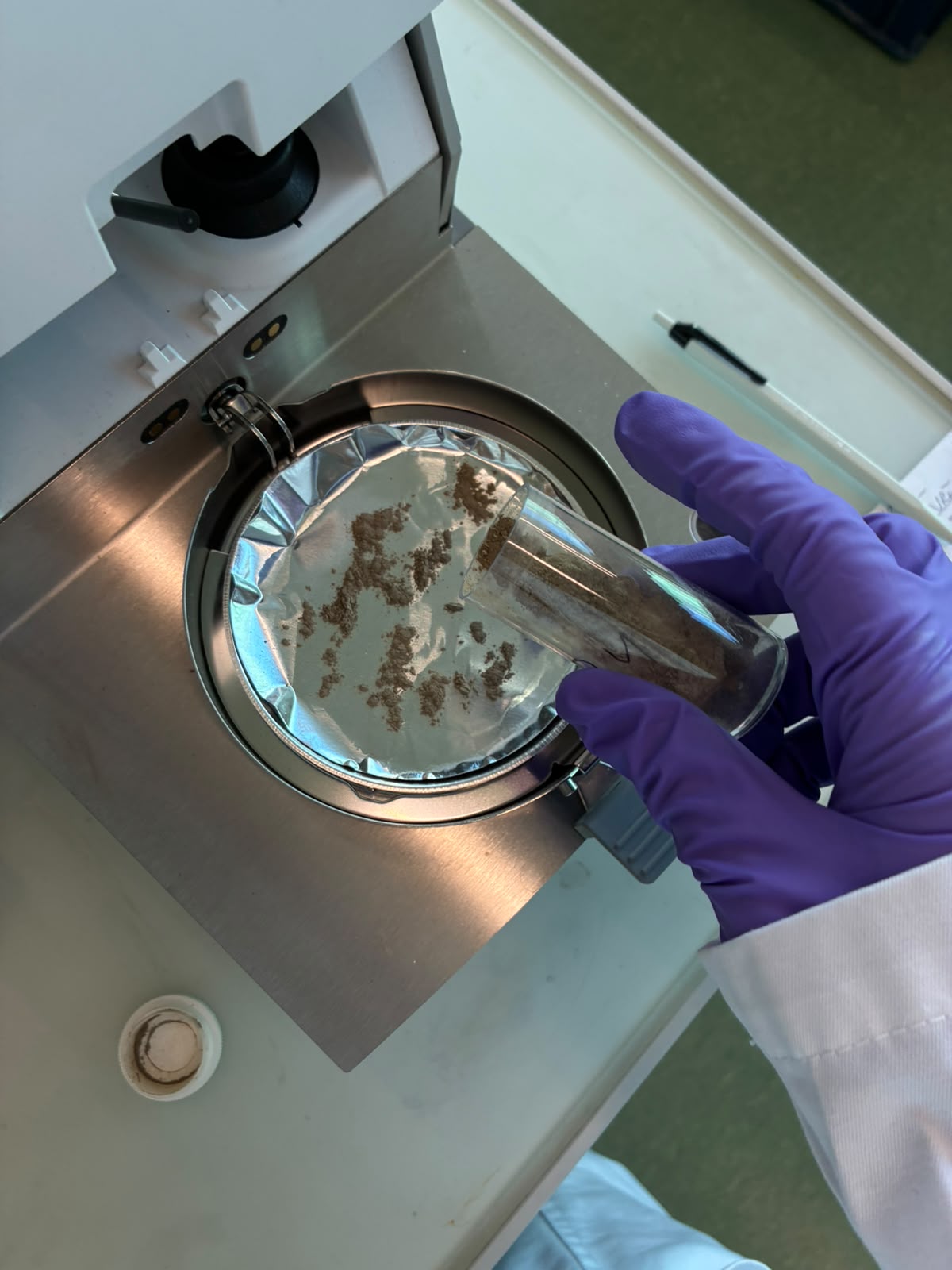
Do you know what lies beneath the soil where you grow your crops?
Microplastics are becoming an increasingly serious problem for agriculture. These tiny plastic particles can enter the soil through irrigation, the use of certain fertilizers, or agricultural plastic films. Their accumulation raises concerns about soil health, crop quality, and the long-term sustainability of agricultural production.
For more than a year, the team at the Centre for Cleantech and Biomass Resource Efficiency (CCBRE) has been conducting research on microplastics in soil.
Throughout our research, we have identified one major challenge: there is still no single, universally accepted method for measuring microplastics in soil.
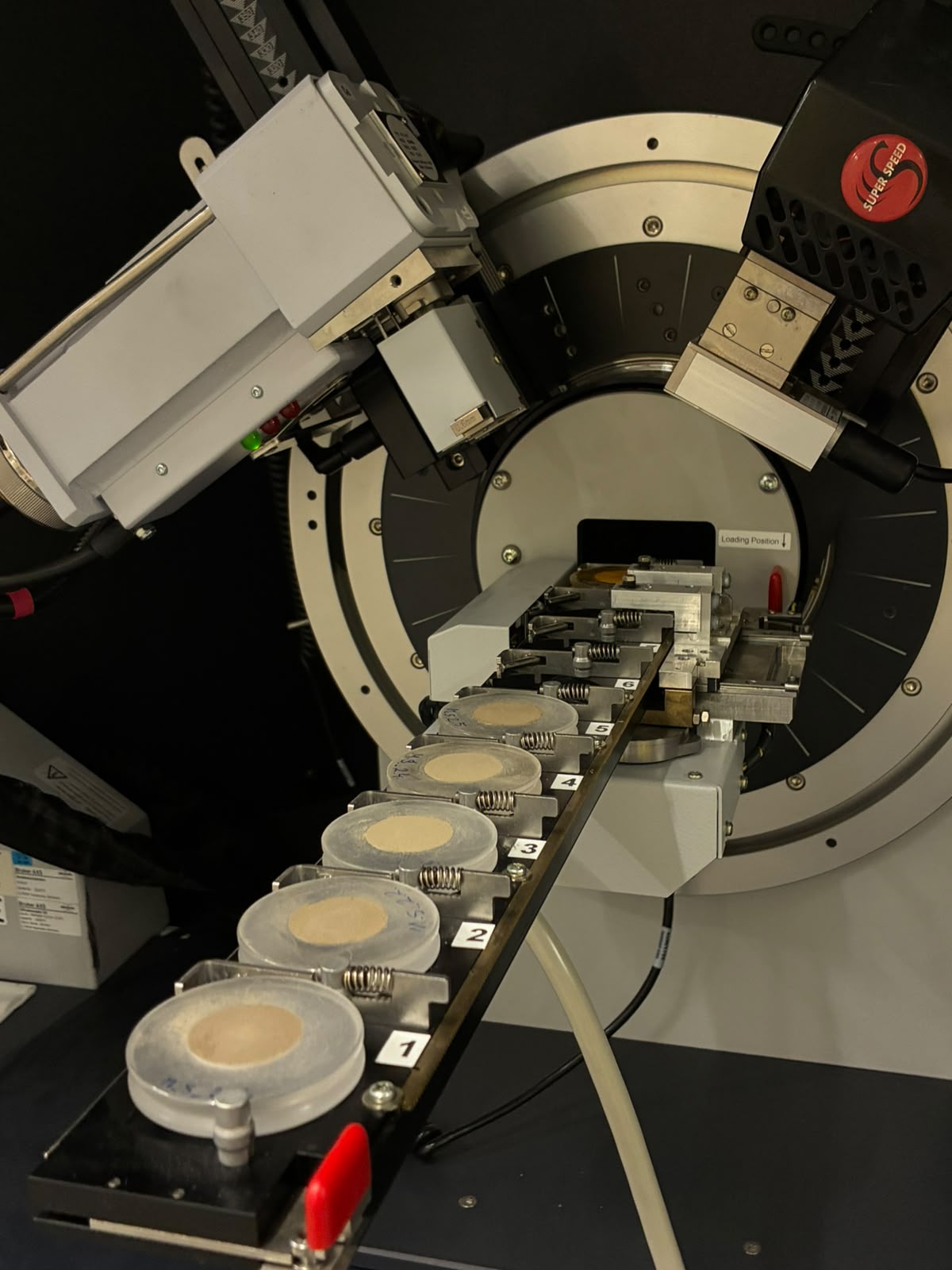
Different soils have different compositions, which means that the same laboratory method is not always suitable for every sample.
There are several methods for detecting microplastics, but applying all of them would be expensive and time-consuming.
That is why we have developed a decision-making framework to document and evaluate existing measurement methods and help select the most suitable approach for each specific case.
What Are the Potential Benefits for Farmers?
Our research represents a step towards making complex laboratory analyses more accessible, cost-effective, and practically useful for the agricultural sector.
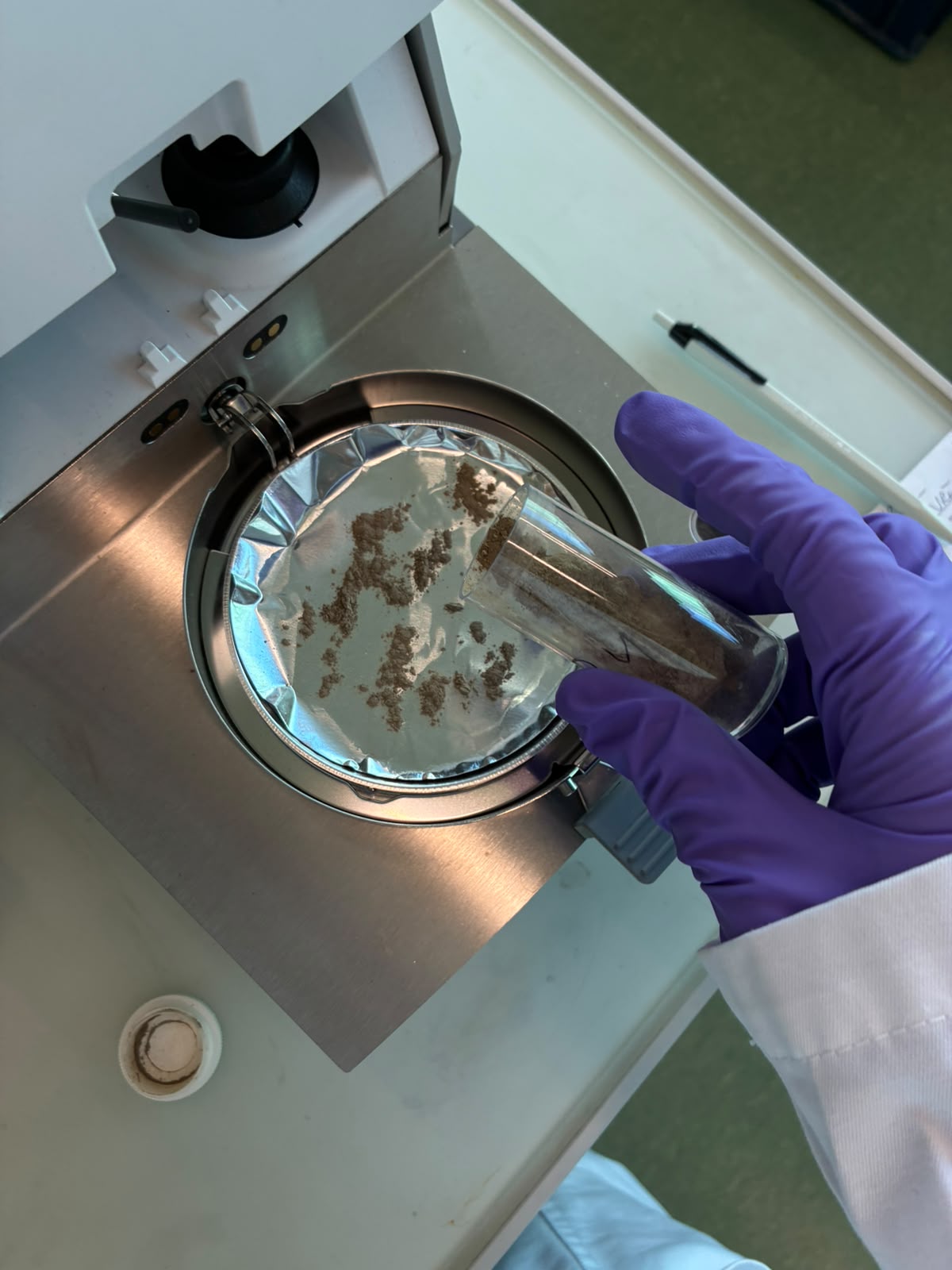
Soil contains sand, clay, minerals, organic matter, and plant residues. This diverse composition makes it difficult to detect tiny plastic particles.
In addition, different laboratory techniques measure different characteristics.
Imaging-based methods provide information about individual particles, including their number, size, shape, and polymer type.
Heat-based methods determine the amount of different types of plastic present in a sample.
Since these methods reveal different aspects of contamination, their results cannot always be directly compared.
That is why choosing the right analytical method is so important.
The research was conducted in collaboration with the Institute for Biomass and Resource Efficiency at the University of Applied Sciences and Arts Northwestern Switzerland (FHNW) and Paisii Hilendarski University of Plovdiv.
At CCBRE, we believe that protecting soil is not just an environmental responsibility. It is an investment in the future of agriculture, food quality, and the sustainable development of farming businesses.
Because cleaner soil is the foundation of more sustainable agriculture and a more secure future for farmers.
Read the full scientific publication here: https://doi.org/10.3390/agronomy16191988
CENTRE FOR CLEANTECH AND BIOMASS RESOURCE EFFICIENCY
Contact us
info@ccbre.eu12 Mendeleev Blvd., Plovdiv 4000
Campus of the Agricultural University of Plovdiv


