Local roots. Global vision. Smart science.
Thousands of cups of coffee are drunk in Plovdiv every day. Each cup leaves behind coffee grounds, and these almost always end up in the mixed waste bin. The CCBRE team is starting an experiment to find out whether this waste can improve compost and soil.
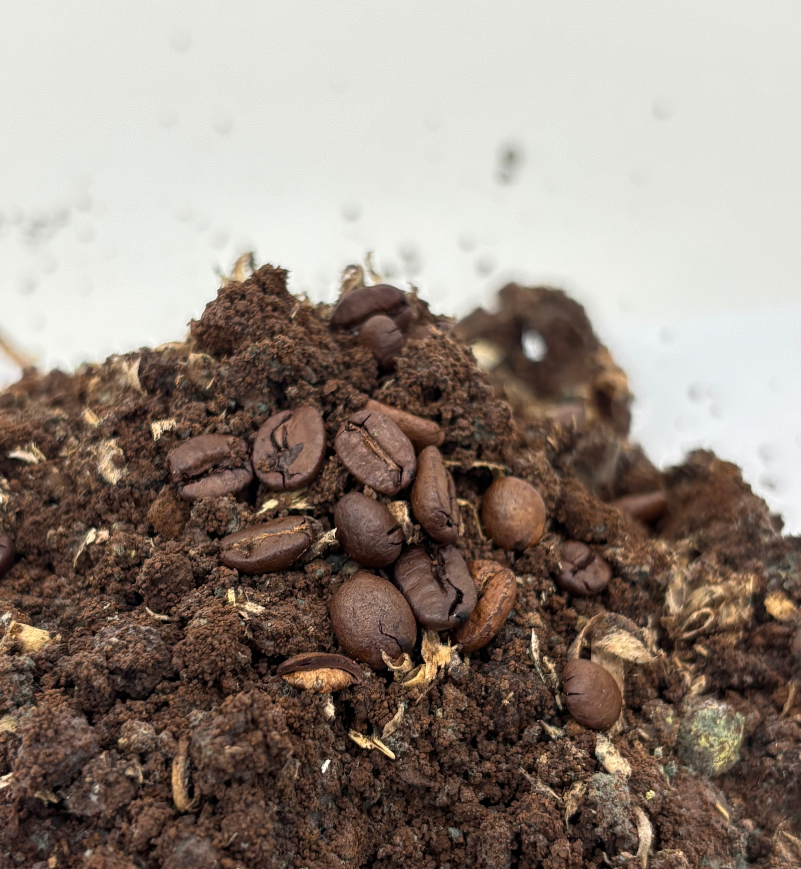
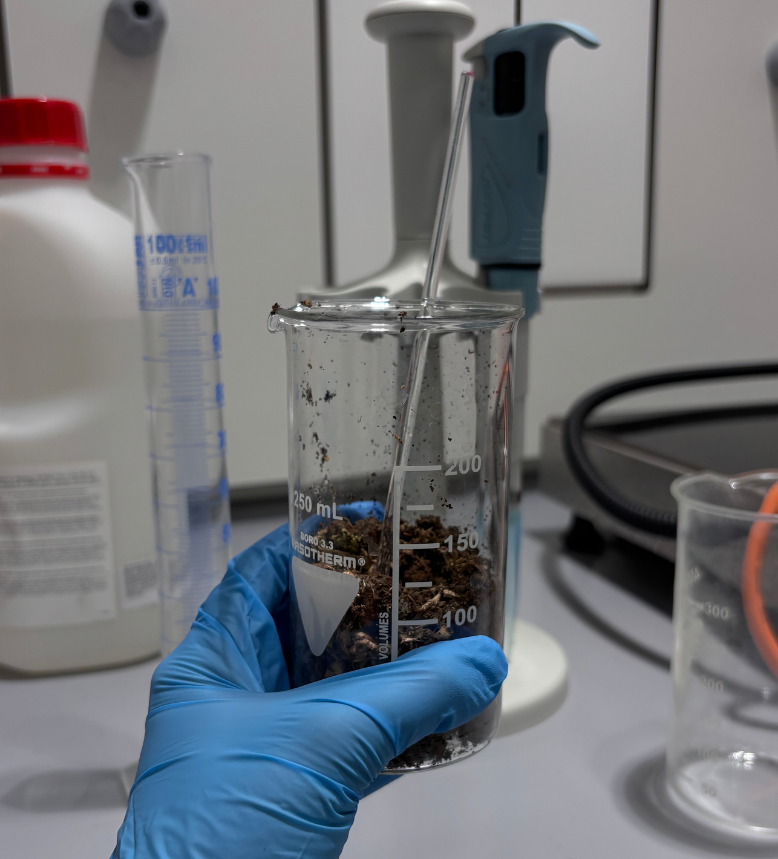
Coffee grounds are an organic material. In landfills, organic waste breaks down without oxygen and releases methane, a strong greenhouse gas. This is why separate collection and composting of such waste streams is an important part of the circular bioeconomy.
Coffee grounds contain organic matter and nutrients, mainly nitrogen. However, they are not a ready-made fertiliser. Raw grounds contain caffeine, polyphenols and other compounds that can inhibit plant growth when applied in large amounts. Proper composting breaks down most of these substances and turns the grounds into a stable material that benefits the soil.
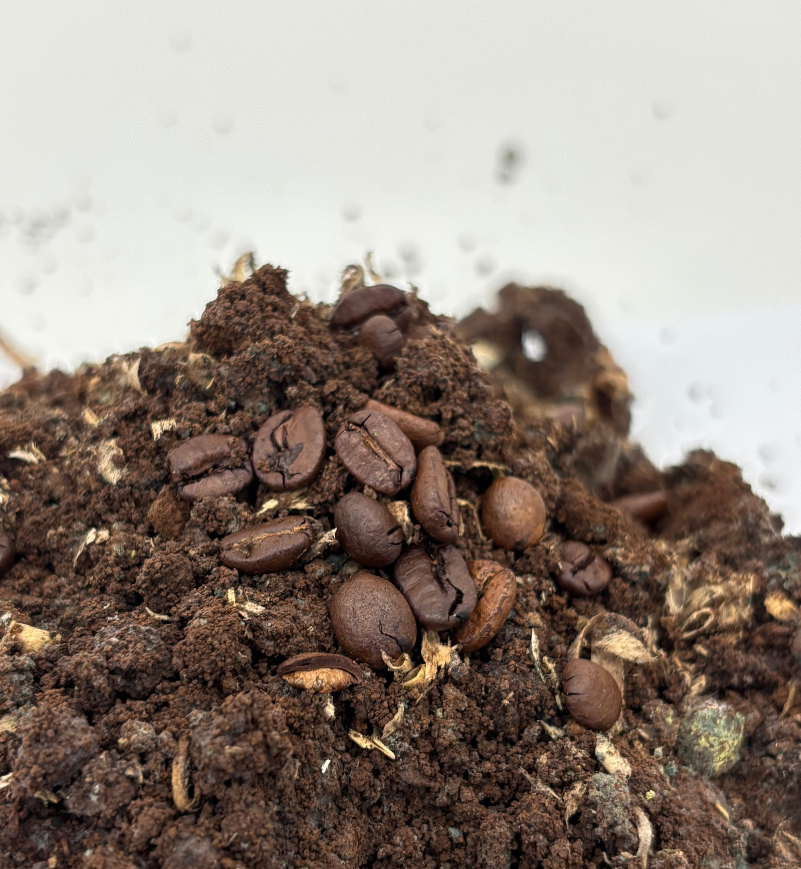
Our search for new uses of waste products led the team to the waste we produce in everyday life. We contacted our partners at Bulver to test whether coffee grounds can be added to the composting process and improve the quality of the final product.
Several of the largest cafés in Plovdiv have joined the initiative and now collect their coffee grounds separately. This gives us a real waste stream to work with, not just laboratory samples.
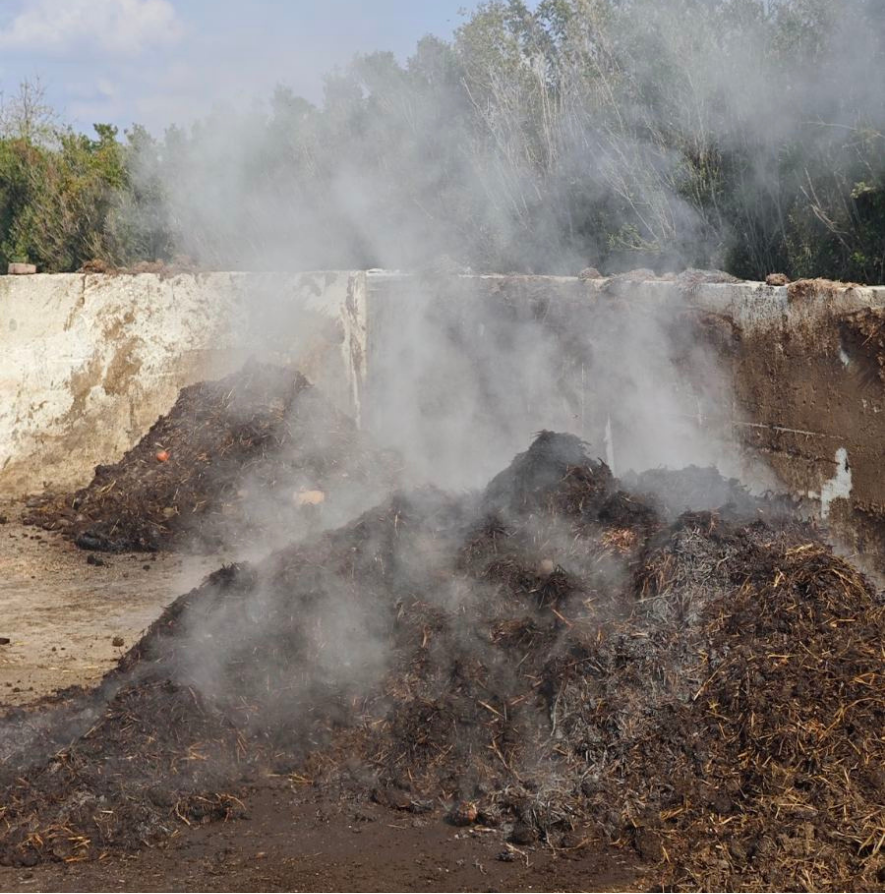
In the experiment, we will compare compost with and without added coffee grounds. We will follow how the coffee grounds affect the composting process and the quality of the final compost. During composting, the piles heat up to well above 55 °C. In this thermophilic phase, decomposition speeds up, and weed seeds and pathogens in the final product are destroyed.
The results will show whether coffee grounds are a suitable additive for industrial composting, and in what amounts.
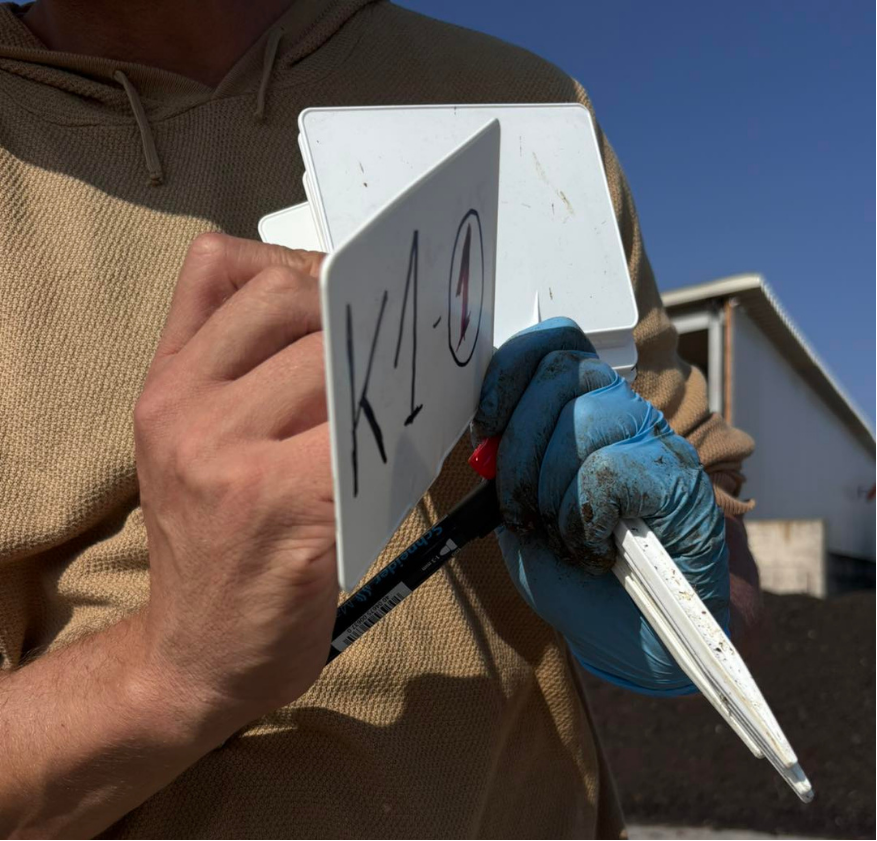
The project connects science with people’s everyday habits. If the results are positive, cafés could turn a constant waste stream into a raw material for local composting sites. Sometimes big change really does start with something as small as a cup of coffee.
Follow our website and social media channels. We will share the results of the experiment as soon as we have them.
CENTRE FOR CLEANTECH AND BIOMASS RESOURCE EFFICIENCY
Contact us
info@ccbre.eu12 Mendeleev Blvd., Plovdiv 4000
Campus of the Agricultural University of Plovdiv


